
Burkina Faso: A Warning about the Death of Journalism*
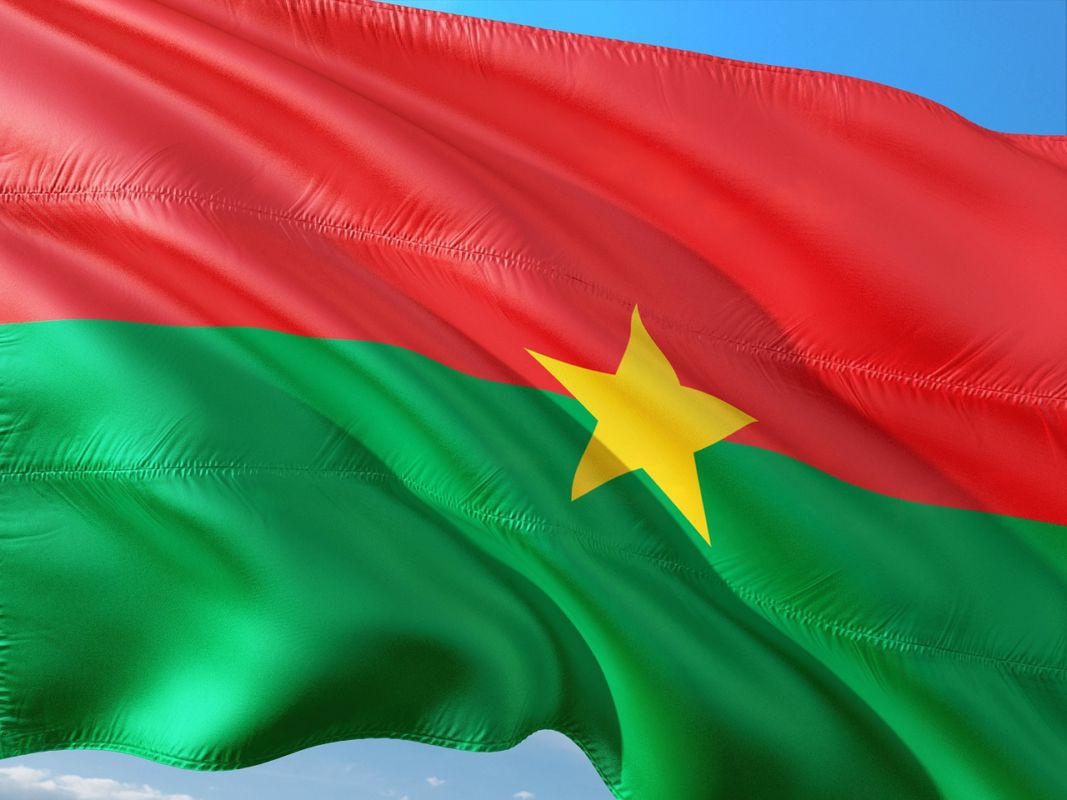
On October 20, Burkina Faso held the 27th National Press Freedom Day. Only a few years ago, the country was often cited as a model for press freedom in Africa. That is no longer the case.
This year’s celebration took place under the theme: “Let’s Not Break the Rampart: A Warning on the Death of Journalism.” A powerful title that perfectly reflects the deep deterioration of journalism and freedom of expression in the country over nearly a decade.
A Free Press in Free Fall
The decline in freedom of expression and of the press in Burkina Faso is striking. Only a few years ago, the country was held up as an example on the African continent. In 2019, Reporters Without Borders (RSF) ranked Burkina Faso 36th out of 180 countries, placing it first among French-speaking African nations and fifth in Africa overall.
However, in just five years, the country has plummeted 50 places, now ranking 86th according to RSF. Two main factors explain this drop: the security crisis and successive coups d’état in 2022.
The Terrorist Crisis: Public Enemy Number One
Since 2015, Burkina Faso—like Mali and Niger—has been mired in an unprecedented security crisis, marked by repeated attacks from armed terrorist groups. In this context of anti-terror initiatives, press freedom has been gravely undermined. As highlighted in several reports, including those from the Media Foundation for West Africa and RSF’s special report What it’s like to be a journalist in the Sahel, it has become nearly impossible—and often dangerous—for journalists to go into the field and gather information first-hand.
In the regions most affected by terrorism, journalists, broadcasters, and community radio technicians—often the only accessible media for local populations—have been directly targeted, forcing some to abandon their profession or seek new livelihoods.
The murder of two Spanish journalists in April 2021, David Beriain (43) and Roberto Fraile (47), along with an Irish environmental activist, while they were filming a documentary on anti-poaching activities in eastern Burkina Faso, tragically illustrates the mortal danger that journalists traveling in “red zones” face.
Efforts to combat terrorism led to a revision of the Burkinabè penal code in 2019 and 2020. These revisions introduced new offenses related to the publication of information about terrorism, further complicating the reporting of security issues.
Under this law, anyone who publishes “information,” “images,” or “sounds” of “a scene or act of a terrorist nature”—or anything that could compromise counterterrorism operations by defense and security forces—can face one to five years in prison. According to the revised Code, such offenses are punishable by imprisonment of up to 10 years and a fine of up to 10 million CFA francs (approximately €15,900).
Silence or the Front Line
Beyond the terrorist crisis, the military coups of January and September 2022 further tightened restrictions. The military authorities quickly curtailed press freedom, imposing the official version as the only acceptable truth.
Media suspensions, expulsions of foreign journalists, and arbitrary arrests have multiplied. Institutional reforms have also been introduced—most notably the direct appointment of the president of the Conseil Supérieur de la Communication (CSC, Higher Council for Communication), the media regulatory body, by the head of state. This measure breaks with Burkina Faso’s 2013 Organic Law and further concentrates regulatory power in the hands of the authorities.
The 2013 Organic Law No. 015-2013/AN (February 14, 2013) states in Article 28: “The President of the Higher Council for Communication shall be elected by his or her peers and appointed by decree of the President of the Faso. The President is assisted by a Vice President elected by the members, who acts in the President’s stead in the event of temporary absence.”
Raids and Seizures
The new Organic Law No. 41-2023/ALT (November 21, 2023) now stipulates that the President of the CSC is appointed by decree of the Head of State, who also chooses the Vice President from among the council members. The powers of the council members have even been strengthened: the law now authorizes them to conduct raids on media outlets and seize documents. In June 2024, the “abduction” of several journalists and commentators further exposed the vulnerability of press freedom in Burkina Faso. Arrested and detained under the pretext of national mobilization, their situation sparked international outrage.
“Professionalism Has Become a Crime”
During the 81st Session of the African Commission on Human and Peoples’ Rights (ACHPR) in Banjul, the Burkinabè government finally confirmed that Serge Oulon, Adama Bayala, and Kalifara Séré had been “requisitioned” for security reasons.
Speaking during the National Press Freedom Day, Guezouma Sanogo, president of the steering committee of the Norbert Zongo National Press Center, declared: “We have reached the point where professionalism in this profession has become a crime. The pluralism of opinions that gives the media its charm and is the very foundation of its appeal has been criminalized. The Burkinabè press has become apathetic, voiceless, or monotonous.”
In short, journalism in Burkina Faso is increasingly in danger. A cornerstone of a healthy democracy, the independence of the media is being eroded, casting a dark shadow over the future of freedom of expression in the “land of upright men.”
* The theme of the 27th National Press Freedom Day in Burkina Faso, held on October 20, 2024.
Post-edited translation by Alexandros Papadimas Leite (M1 student in translation at ULB) under the supervision of Matthew Langsley